

In the fall of 2022, I was lucky enough to view the awesome launch of Artemis I from the legendary Kennedy Space Center in Florida. In fact, I might have had the best public seat in the house for viewing this bone-rattling, eyeball-popping event. Not a seat exactly, but the most forward spot on the grass outside the Apollo/Saturn V Center where I stood in the dark for more than four hours earnestly hoping I wouldn’t need to pee.
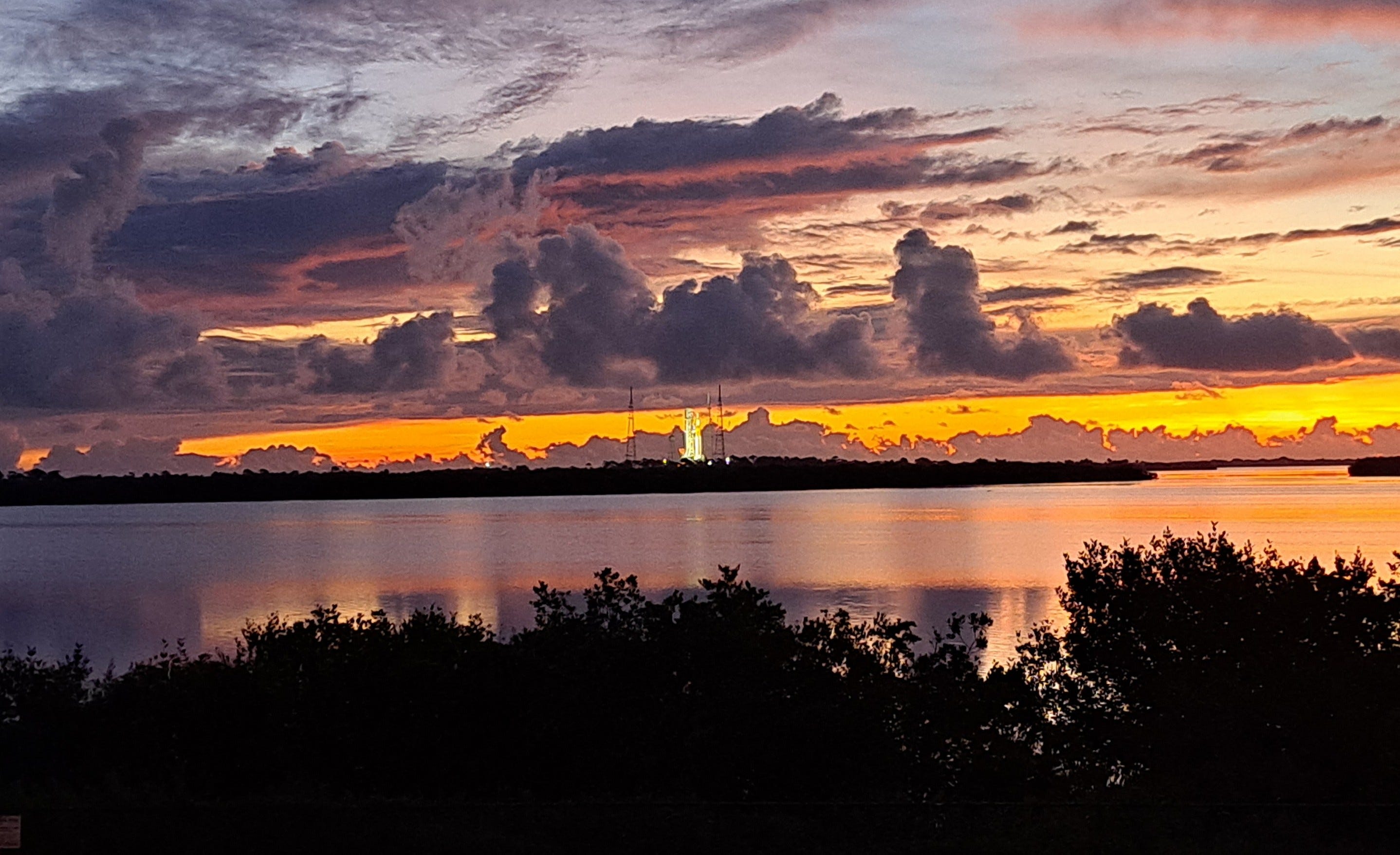
Out across the broad, marshy, alligator-friendly waters of Banana Creek, in the wee hours of November 16, 2022, the 322-foot tall brightly-lit rocket gleamed against the launch tower. If successful, it would be the most powerful rocket ever launched. Gaseous rills of oxygen and hydrogen streamed quietly from its sides, as the public address system kept us abreast of the countdown.
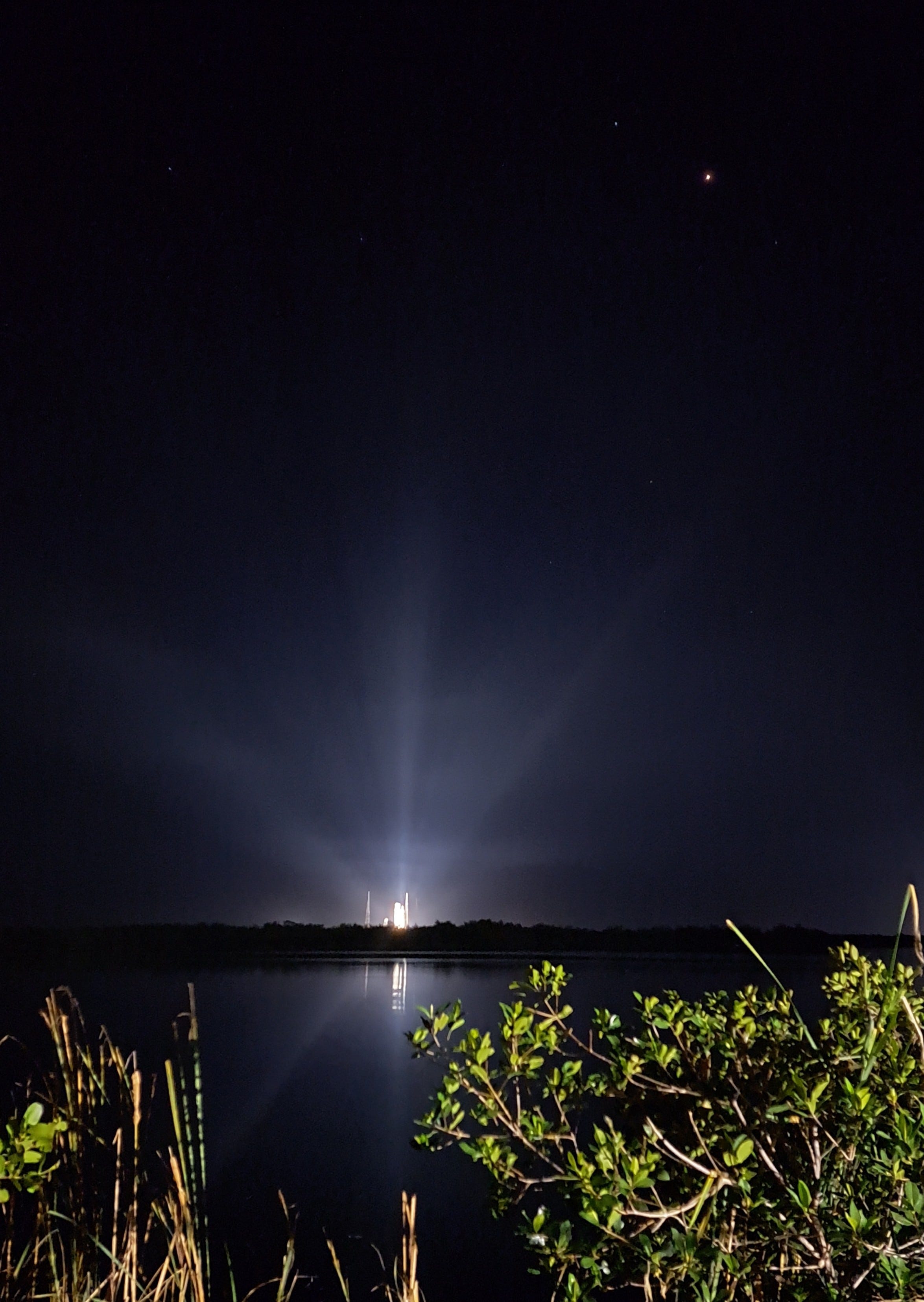
As I’ll explain, it was quite an adventure just getting to that place and that moment so vividly imprinted in my head. And now, with the potential early April 2026 launch of Artemis II rapidly approaching, I’m all stirred up again recalling the experience of watching Artemis I take to the sky.
And yes, it feels a little odd writing about a rocket launch when so much crazy stuff is going on in the world, and I’m supposed to be out in the weeds reporting on trails and parks and wilderness and all that jazz. I do have wilderness covered here in an oblique sorta way (and more to come soon in the coming weeks). But with Artemis II back on the launch pad, my little story here is also ripe for liftoff.
A bit of personal history might be in order to better explain my enthusiasm. Like most kids, I suppose, I was fascinated by rockets at an early age. Bottle rockets were especially fun. Into the air, phzzzzzz-pop! Firecrackers too. Bang! Sparklers, fountains, smoke bombs, magic ash snakes. All exciting ways to spew litter and catch my uncle’s haystack on fire. Send me off with a stash of bottle rockets and I’d be half way to the Moon myself.
My big brother, Skip, got a safer-saner gift from Santa one year: a small plastic rocket that could be partly filled with water then pumped up with air before releasing it to the heavens. Do they still even make those? We’re lucky we didn’t put somebody’s eye out.
Back up a few years to my birth and infanthood, where the memories are a little hazier, and you’ll find there were countless rockets blazing all around me. I was born into that world at the base infirmary of the China Lake Naval Weapons Testing Station in the Mojave Desert. My dad was a Navy airplane mechanic, taking care of flying war machines, mostly Lockheed P2V Neptunes which he’d flown in the Mediterranean just after WWII.
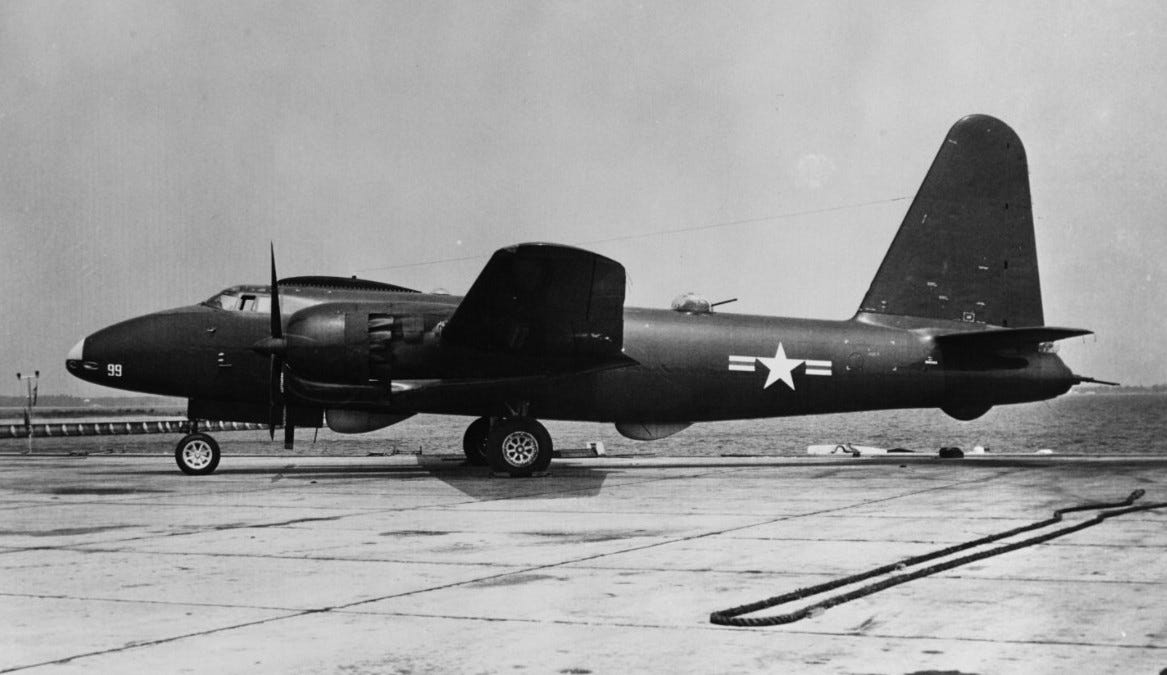
At the base in the 1950s, missile prototypes were launched and evaluated by the thousands. One of the most famous was the Sidewinder, the world’s first successful heat-seeking missile. China Lake, known outside the gates as the “Secret City,” also hosted aspects of the Manhattan Project, including design of detonators and the outer casing for “Fat Man,” the 10,800-pound atomic bomb dropped on Nagasaki in August 1945. But The Bomb was a little before my time, and several years before my dad was stationed there to look after airplanes.
Also in my kidly years, I lived for a time near Santa Barbara, California, where we watched from a distance the white trails of rockets launched from Vandenberg Air Force (now Space Force) Base, about 50 miles to the northwest. Cold War tensions had been building after WWII, and with the Soviets’ successful launch of Sputnik in 1957, the space race was on, and Vandenberg became another major beating heart of missile testing on the Pacific Coast.
I vaguely remember the TV news people going on about John Glenn orbiting the Earth and Kennedy saying a rocket is going to take a man to the Moon. I couldn’t make any sense of it. So a big rocket is going to blast off to the Moon and then what? An astronaut is going to jump out with a parachute? How would he come back? The grainy footage of early Apollo rockets taking off from Florida was nevertheless pretty cool to watch.
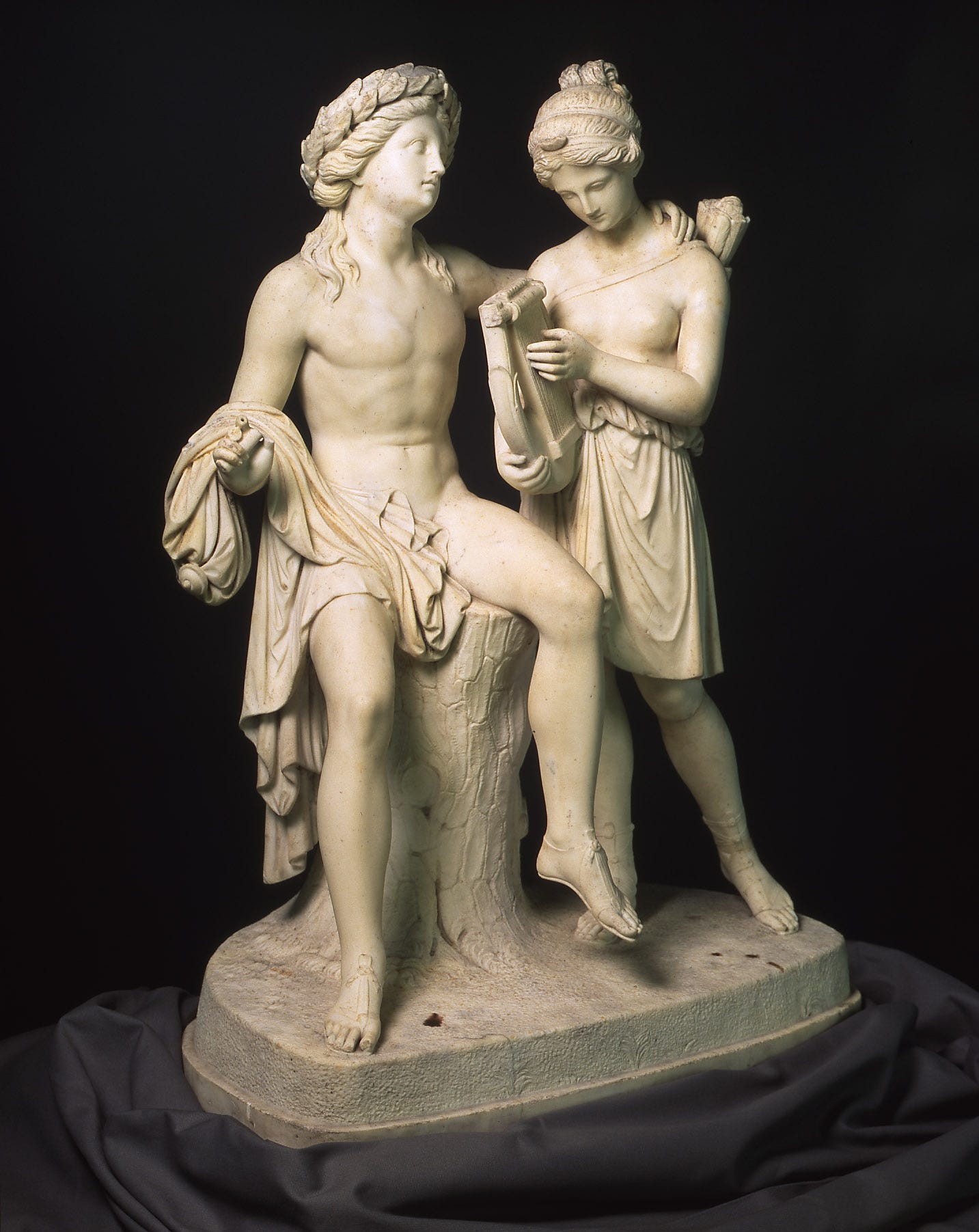
Apollo, the protector, healer, lover of all things poetic and musical, was the twin brother of Artemis. She is the huntress, traveler of the mountains and wilderness, and like her brother a healer and master of archery. They sound like my kinda people. Or non-people. These two children of Zeus have also been associated with the Sun and the Moon, and surely possessed the wherewithal to launch their arrows to the latter, if not the former.
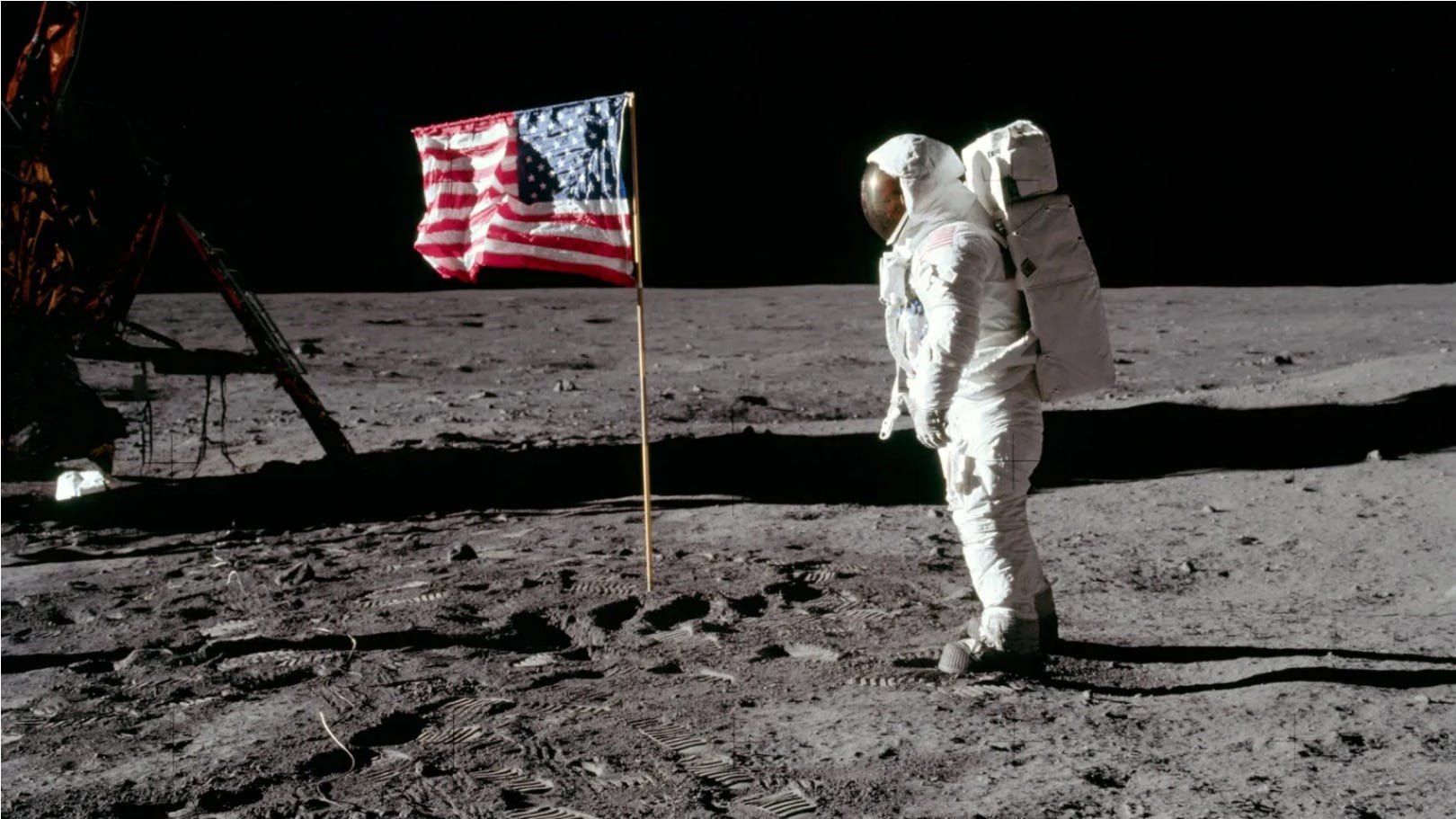
In July 1969, a gaggle of my siblings and parents gathered around a smallish black-and-white TV at a family friend’s house to watched in disbelief as two fuzzy Apollo 11 spacemen stepped off the Eagle lunar lander. “Two small steps for man,” one said, followed by one giant “My goodness,” from Mom.
I was captivated by the early Space Shuttle launches on a somewhat larger TV, but had to turn away in 1986 when the STS Challenger exploded about a minute after liftoff. When the Columbia shuttle disintegrated on reentry in 2003, an acquaintance who worked for NASA lamented his first thought when they knew something had gone really wrong. “We just killed seven more astronauts,” he said. Fortunately, NASA’s safety record has fared much better over the intervening decades.
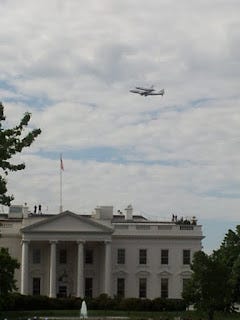
The Shuttle program ended in 2011 after 135 missions. In April 2012, I was in Washington, D.C., when the Space Shuttle Discovery flew over the capital, piggybacked on top of a Boeing 747. It was on its final journey from Florida to the Smithsonian’s Udvar-Hazy Center next to Dulles Airport, which is also where the Enola Gay, dropper of The Bomb, is on permanent display.
The news reports in D.C. said to look up between 10:00 and 10:30 am. I happened to be downtown and walked outside at 10:00, looked up and there it was! Everyone on the streets put their work day on hold to stare at the thing in the sky. I wandered toward the White House and caught a crude snapshot with my flip phone.
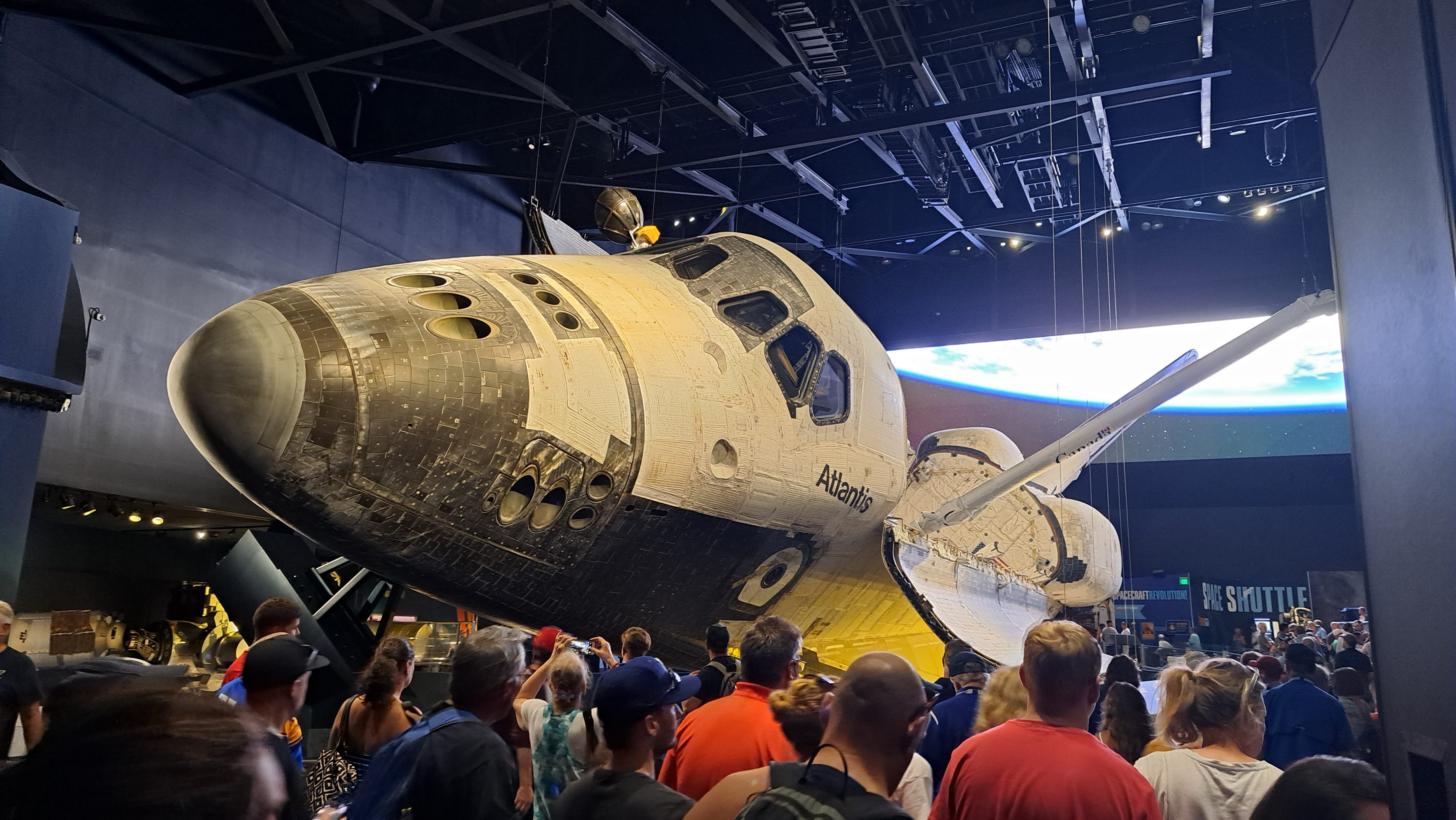
In place of the Shuttle and its LEO (low Earth orbit) domain, “Artemis” emerged as the new and improved technology that would return us to the Moon after a half-century hiatus. Following a sluggish start, development accelerated toward actual design and construction of the Space Launch System, or SLS, that would hurl Orion and the astronauts into space a half century after Apollo.
Artemis I would be unmanned, a first real-world test for the new launch system and Orion capsule. If all went according to plan, a rocket weighing nearly six million pounds would send a spacecraft about the weight of a loaded dump truck twice around the Moon and back to Earth. Though 40 feet shorter than the ginormous Saturn V that lifted Apollo to the Moon, the SLS would produce 15 percent more thrust. If it ever got off the ground it would be the most powerful rocket ever launched, and exciting as hell for the ten-year-old part of me.
The 2022 launch schedule had been delayed for months by a series of what some might call predictable annoyances associated with something this new and big. The SLS rocket had never flown before. To date, the Saturn V that sent astronauts to the Moon was the only thing comparable to what NASA was about to light up.
Continue to Part 2.